Buying Dahongpao Tea Base for a Licensed Beverage Plant in Saudi Arabia
A carton for a mixing room and a bottle for a retail shelf have different uses. Define the imported ingredient before choosing the label route or costing a pilot.
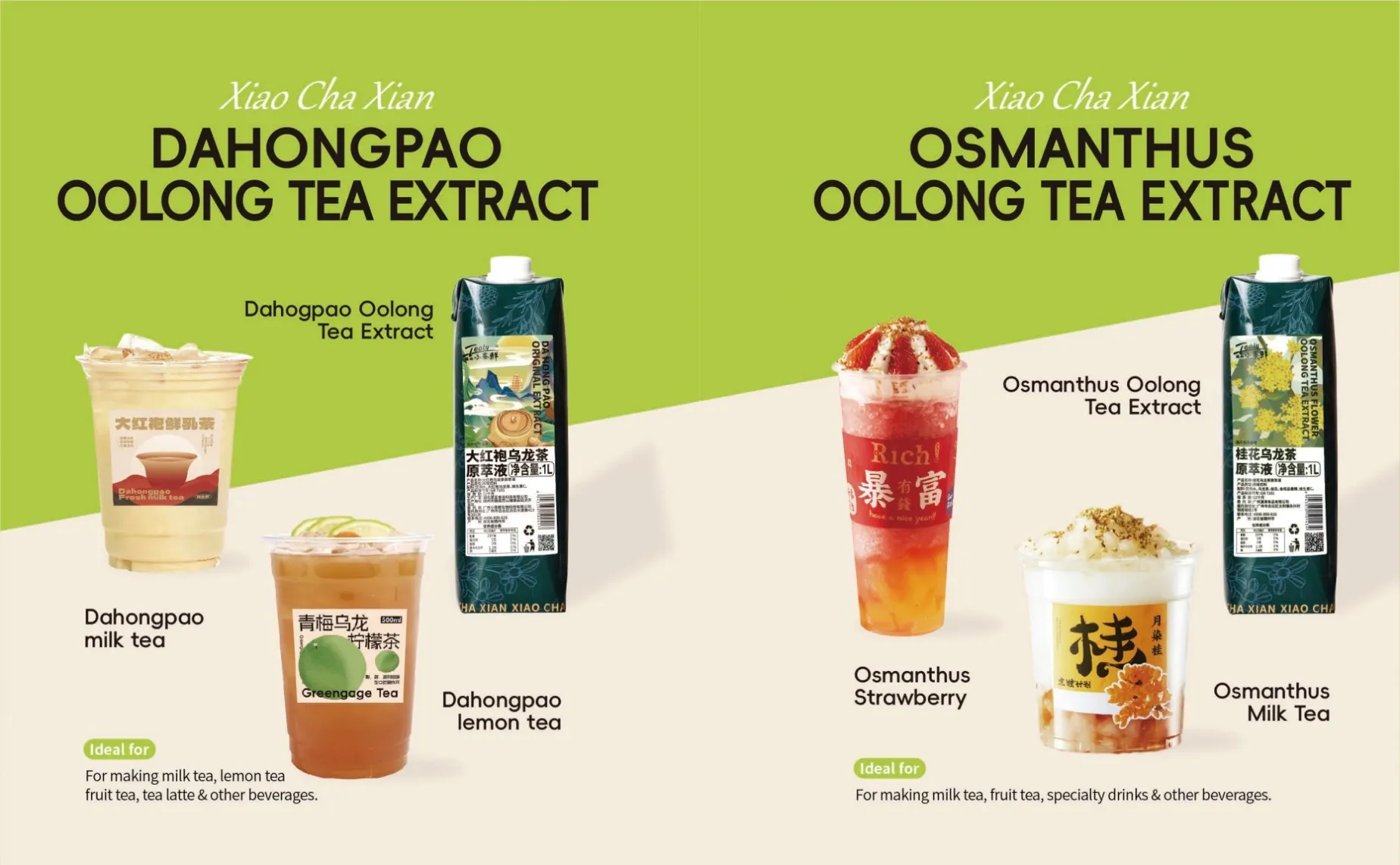
A carton of Dahongpao Oolong Tea Extract arriving at a Saudi beverage plant has a job to do before a consumer sees a bottle. The development team may use it in milk tea or lemon tea. Procurement is buying an ingredient for that production run, so the first useful line on the enquiry is the intended use at the licensed plant.
Which pack will enter Saudi Arabia?
SFDA’s food clearance guide has a section for materials imported for manufacturing in licensed Saudi food factories. It covers products intended for processing rather than direct display or sale to consumers. The materials must meet the applicable technical regulations. For qualifying products, the guide describes a specific exception to the Arabic-language provision in clause 1.2.7 of SFDA.FD/GSO 9. It allows an undertaking through Fasah that the label will be in English. SFDA manufacturing-purpose requirements, page 12
Before ordering printed packs, give your importer the proposed carton artwork and explain where the extract will be used. Confirm the classification and the Fasah undertaking for the ingredient consignment. The milk tea your plant fills for consumers has a retail pack of its own and needs its own label review.
What will one case contribute to your run?
The Dahongpao case holds eight one-litre cartons. Its ingredient panel lists drinking water, Dahongpao oolong tea and vitamin C. Our product profile describes roasted and orchid notes. Give the development team the same base you intend to order and taste it in the intended finished drink. For milk tea, record the accepted dose with the milk, sweetness and final yield used in that pilot.
If the pilot records litres of extract per batch, procurement can apply that figure to the planned number of batches and allow for losses. If the accepted dose is in grams, request the weight-to-volume basis for this extract before converting it into one-litre cartons. Divide the total grams needed, including expected losses, by the confirmed grams per litre for this base. Divide the resulting litres by eight and round up to whole cases. Keep the agreed formulation and the incoming carton artwork together when moving from the sample to an order.
For a Saudi manufacturing enquiry, tell our export team the finished drink, intended plant use and pilot size. We can discuss a Dahongpao sample, its specification and the carton details for your importer.
bruce@yuanjingroup.com · WhatsApp / WeChat: +86 130 7163 2772