Build a Tea Extraction Line or Buy Tea Base? Compare the Cost per Finished Litre
Compare leaf tea and Dahongpao tea base in the same finished milk tea. A worked example shows how much a new line must produce and sell to cover its annual cost.
Two Tea Quotes, One Litre of Finished Drink
On the buyer’s desk, one quotation has a price beside a kilogram of leaves. The other has a price beside a litre of Dahongpao Oolong Tea Extract. Put the smaller number in bold and the spreadsheet looks decisive. It still cannot tell the production manager what either tea will cost in a litre of milk tea that the tasting team would release for sale.
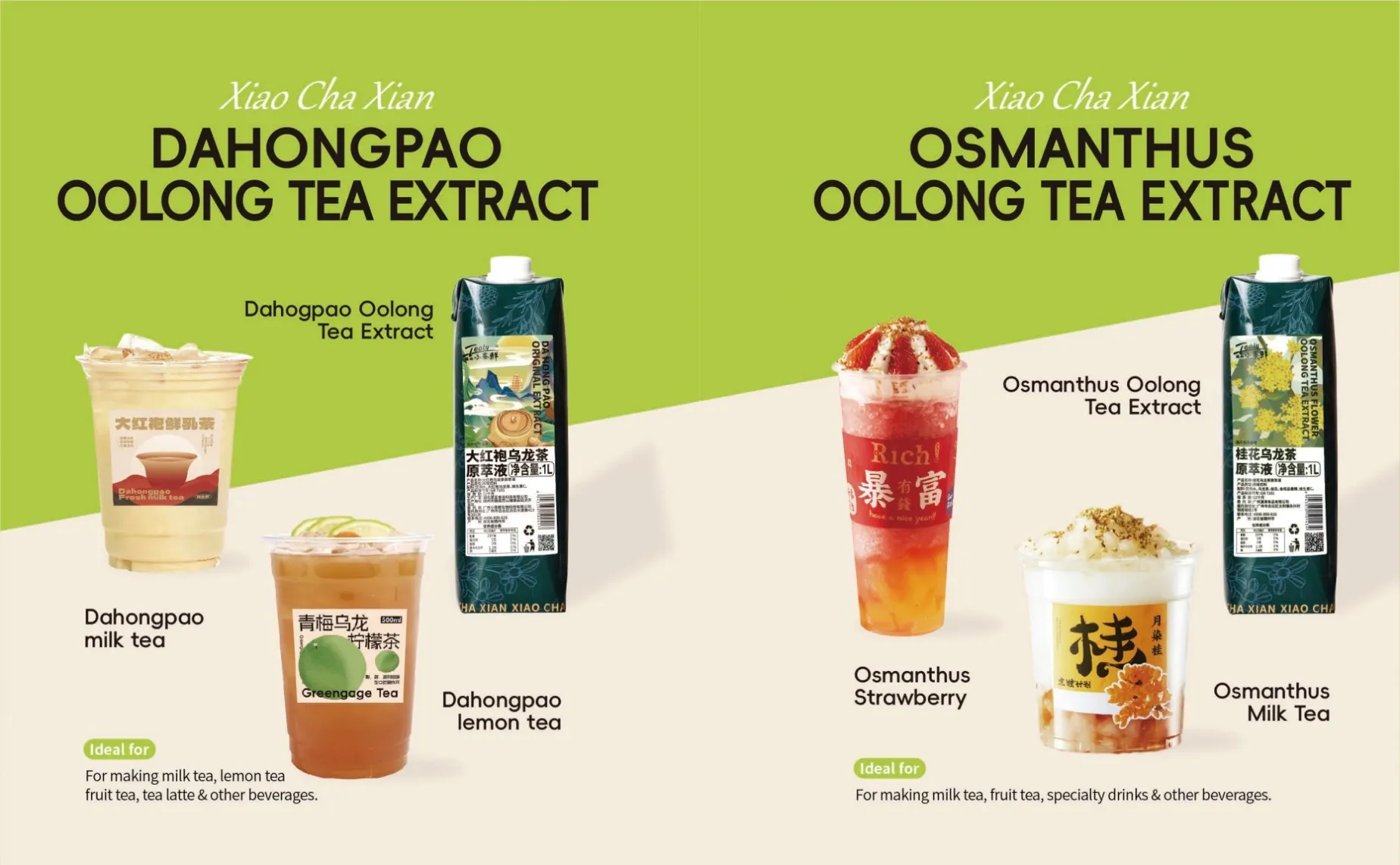
Start that comparison at the tasting bench. Our application guide shows Dahongpao in both milk tea and lemon tea. Choose one finished drink for the pilot. For milk tea, make the reference cup with the milk, sweetness and serving temperature you intend to sell. Agree on the tea character that should still come through the milk. Our product profile describes roast and orchid notes. Your tasting team decides which of those it wants to recognise in the finished recipe.
Follow the tea through each pilot
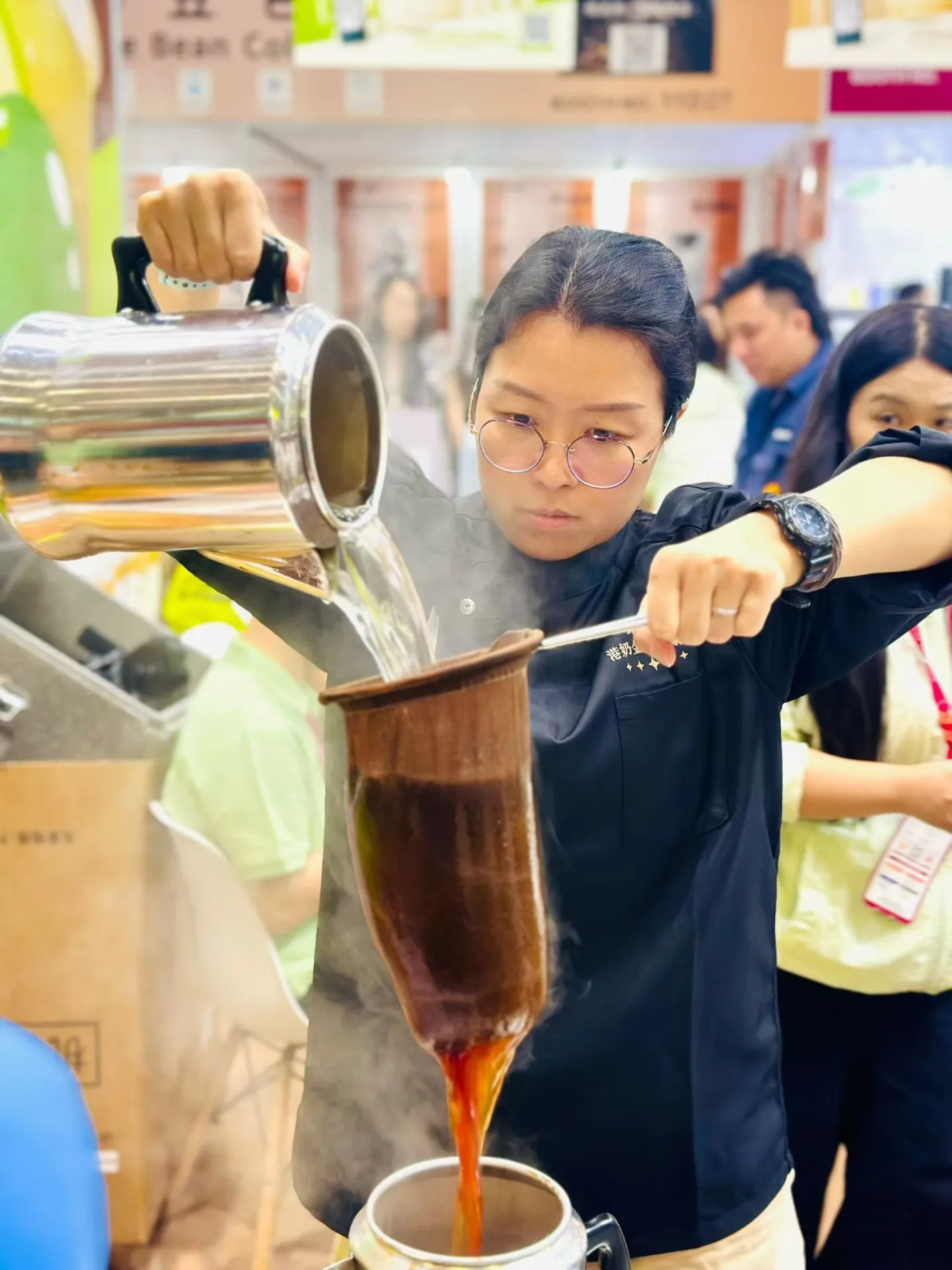
For the leaf batch, weigh the dry tea that goes into the brewer. Measure the liquid before filtration and again after the leaves and fines are removed. Record how much usable brewed tea reaches the mixing vessel. Tea retained in the filter has already been paid for in the leaf purchase. Counting it as available for blending would make the batch appear cheaper than it is.
For the bought-in route, open the carton and record what you draw from it. Our Wuhan milk tea card gives a starting point of 500 g of Dahongpao extract in a batch prepared in a five-litre mixing jug. The jug size tells you which vessel was used. Measure the finished yield yourself. If your trial uses a scale and the quote is per litre, weigh a measured volume of this same extract or obtain the corresponding product specification before converting the dose.
Bring both drinks back to the bench. If one needs a different dose to achieve the agreed taste in milk, cost the dose that passed. Record any change in milk or sweetener as well. Only after both recipes are acceptable does the division by finished litres give the buyer a fair comparison.
A worked example for the costing sheet
All quantities, prices and yields below are hypothetical. Suppose both recipes pass tasting and each pilot yields 20 litres of saleable milk tea. The same milk, sugar, final filling and packaging cost applies to both, so the table shows the tea-related costs only. Use delivered prices in one currency. Here the currency is US dollars.
| Per 20 L pilot | Extract on site | Buy tea base |
|---|---|---|
| Tea purchased or used | 1 kg leaf × $12 = $12 | 2.1 L base × $12 = $25.20 |
| What reaches the blend | 9 L before filtering, 8 L after. All 8 L used. | 2 L in the accepted recipe. Another 0.1 L written off. |
| Hands-on labour at $18/h | 20 min = $6 | 4 min = $1.20 |
| Batch-specific supplies and utilities | $2 | $0.40 |
| Total per batch | $20 | $26.80 |
| Tea-related cost per litre of finished milk tea | $1.00 | $1.34 |
On the leaf side, the missing litre at the filter is reflected in the eight litres available to the recipe. On the bought-in side, the 0.1 litre written off is included in the 2.1 litres charged to the batch. If an opened remainder can be used in the next batch, keep it in inventory until it is used or written off. Charging it to both runs would distort the purchase comparison.
For labour, use minutes worked. Two operators working together for ten minutes contribute twenty labour minutes. Include brewing, filtration and cleaning wherever those jobs actually occur. If the payroll figure already includes those minutes, keep them out of any separate overhead allowance. Add common ingredients and finishing costs back to both columns when you need the full cost per saleable litre.
When the annual volume changes the answer
In this illustration the on-site route saves $0.34 per saleable litre before additional fixed costs. Suppose the new line adds $17,000 a year in fixed costs, including the annual equipment charge and fixed maintenance. At 30,000 saleable litres, the annual variable saving is $10,200, leaving $6,800 of those costs uncovered. At 60,000 litres it is $20,400, which covers them with $3,400 to spare.
Illustrative annual break-even volume
$17,000 per year ÷ $0.34 per litre = 50,000 saleable litres per year.
Put two annual figures beside that 50,000-litre threshold: the litres of this milk tea you expect to sell, and the saleable litres you can actually make on the available shifts after allowing time for changeovers and cleaning. Both have to reach the threshold. Spare capacity earns no saving on litres you cannot sell; orders beyond your available production hours do not generate an on-site saving either. This threshold answers how much annual output covers the extra annual cost. A cash payback calculation needs the initial investment and cash flows over time. If your own extraction trial gives no variable saving per litre, higher output alone cannot cover a positive additional fixed cost.
Tell our export team which finished drink will be your reference. Ask for Dahongpao Oolong Tea Extract and its application card, then bring the accepted dose, usable yield and actual batch losses back to your costing sheet.
bruce@yuanjingroup.com · WhatsApp / WeChat: +86 130 7163 2772